

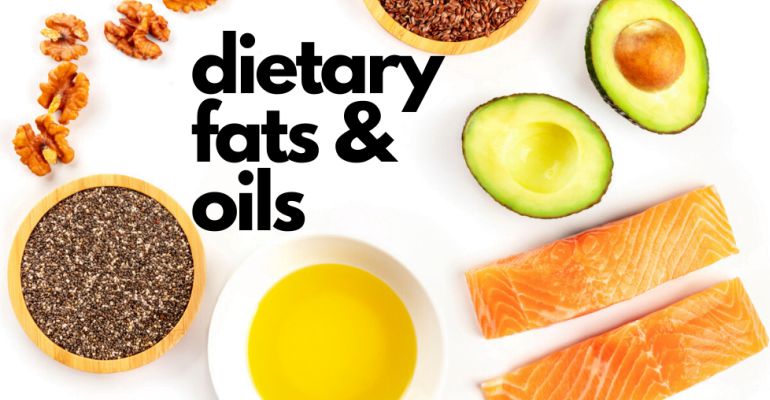
Sometimes we tend to view fat in a negative way perspective. However, not all “fats” are bad. What matters is the type of fat and the quantity of fat. In general, fats whether good or bad are meant to be taken in little amounts, we don’t need a
Sometimes we tend to view fat in a negative way perspective. However, not all “fats” are bad. What matters is the type of fat and the quantity of fat. In general, fats whether good or bad are meant to be taken in little amounts, we don’t need a lot of fat in our bodies. Part of the reason is that our body produces cholesterol which is a type of fat. Therefore, you don’t need a lot of external cholesterol and other types of fat from foods. There are different types of fat: Saturated fat, unsaturated fat and trans fat. Saturated fat is usually solid at room temperature and examples are fat from animals – meat (beef, pork, goat meat), offals, intestines or internal organs of animals (tinueran by my Yoruba people),chicken, milk, butter, cheese and some plant oils like palm oil and coconut oil. Unsaturated fat, however is usually gotten from plants and include avocado, nuts (walnut, cashew nut, groundnut etc), beneseed, olive oil, canola oil, soybean oil, groundnut oil, fish. Fish is a very good source of healthy fat which boosts the brain and promotes healthy blood vessels. Trans fat is usually gotten from industrially baked or processed foods especially when made with “Partially Hydrogenated Oils” (PHO). Examples of foods that may contain trans fat include- biscuits, pastries, cookies, cakes, chips etc. The key here is to reduce your consumption of processed foods because you don’t know which type of oil was used to bake or fry the food item. Which one should you take more or less? The American Heart Association recommends that we reduce the amount of saturated fat in our diets to promote our health. This can be done by techniques such as avoiding intestines/offals/ internal organs (usually called tinueran) as they are very fatty (have a lot of fat), buying lean meat without visible fat, trimming out fat (creamy or yellowish substance in meat), going for low fat milk (such as three crown etc) rather than full-cream milk (have higher fat content), limit palm oil in your diet, avoid frying foods as much as you can. Avoid processed, fried or baked foods especially when you are not sure of the constituents. You should eat more of fish, walnuts, cashew nuts, avocado and other unsaturated fats although remember that should also be in moderation as excess fat in the body may lead to accumulation of excess body fat and weight no matter the type of fat. Tips: 1) Eat more of fish than meat (fish is far healthier!) 2) Go for lean chicken (remove skin), meat (without visible fat) when you eat meat 3) Avoid frying as much as you can. You can grill in the oven instead. Remember that any food you fry absorbs oil no matter how much you drain it after frying. This includes meat, fish, plantains etc 4) Avoid “tinueran”(organ meats), trim out excess fat from meat or chicken before cooking 5) Use very little palm oil (remember it contains saturated fat as well) and please avoid bleaching oils whenever cooking. 6) Take more of low-fat milk or yoghurt rather than full cream or evaporated milks.